Events
8 Lessons from the RecyclingWorks MA 2026 Spring Forum
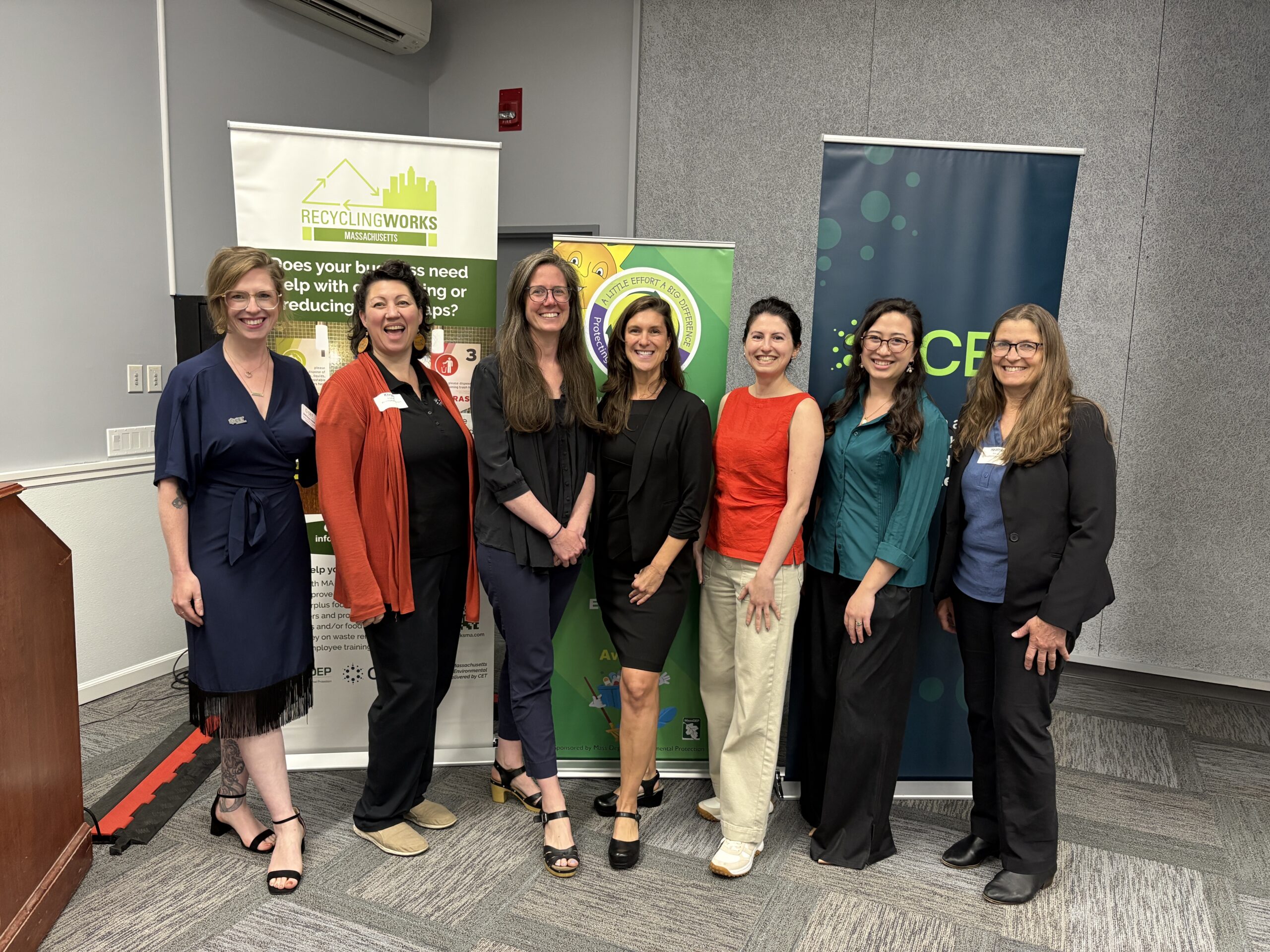
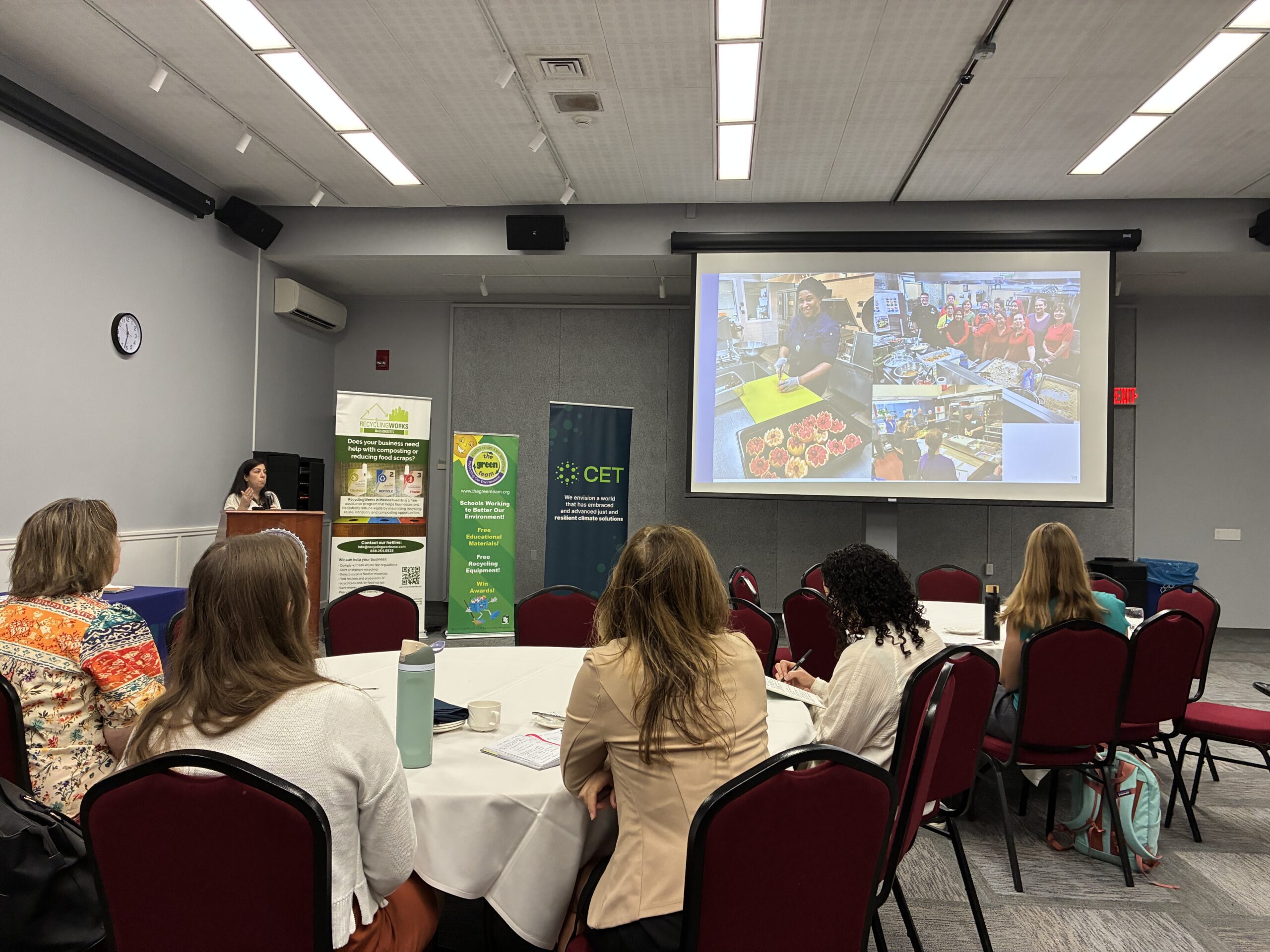
The RecyclingWorks in Massachusetts Spring 2026 Forum brought together businesses, schools, healthcare organizations, municipalities, nonprofits, and state agencies to share what’s working right now in food donation, reuse, and waste reduction.
Here are eight lessons we took away from the day:
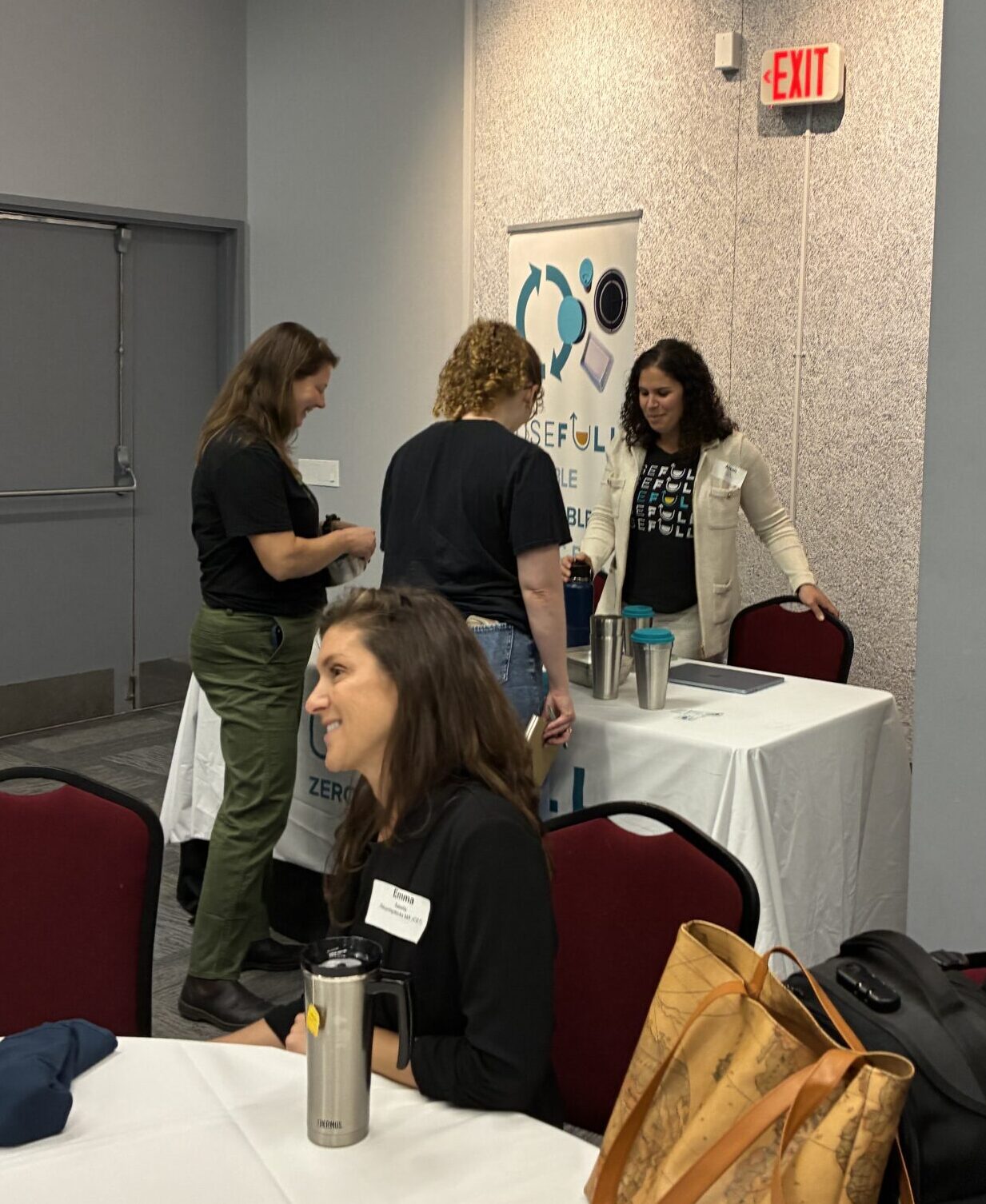
- Partnerships strengthen impact. Bringing together six tabling organizations created valuable opportunities for attendees to connect with resources, share experiences, and identify potential collaborations. Thank you to Careit, Farm Fresh RI, FeedRI, Food Link, Spoonfuls, and USEFULL for providing additional information and resources to virtual and in-person attendees.
- Initiatives can start before everything is perfect.
Heather Billings, Senior Waste Reduction Consultant at RecyclingWorks MA, encouraged organizations to “just start,” whether that’s one item, one meal, one event, or one location. Many successful food donation programs begin with a small pilot and grow from there. - The most sustainable waste is the waste that is never created.
Nicole Rosa, Director of SCM Logistics, PM & Sustainability at Southcoast Health, shared how designing waste out of systems through process improvements, packaging reduction, and reuse creates lasting results. - Reusables are often more practical than you think.
Sonja Williams, Program Supervisor at RecyclingWorks MA, highlighted that many food establishments already have the food safety practices needed to support reusable container programs. - Food waste prevention starts with understanding how food is consumed.
Denise Courtney, Nutrition Education and School Wellness Training Coordinator at the Massachusetts Department of Elementary and Secondary Education, challenged common assumptions about school food waste and shared strategies that help students eat more of the food they take. - Sustainability can be built into contracts.
Amanda Crowley, Waste Reduction Coordinator for the Town of Wellesley Department of Public Works, demonstrated how embedding sustainability requirements into food service contracts can create accountability and long-term impact. - Reusables can outperform single-use alternatives.
Angie Gregory, Sustainability Program Manager at Mount Holyoke College, shared how data, tracking technology, and reusable systems helped the college reduce waste while generating significant cost savings. - Progress happens through collaboration.
From MassDEP updates shared by John Fischer, Deputy Division Director for Solid Waste Materials Management, to the many case studies presented throughout the day, one theme was clear: collaboration between organizations, regulators, service providers, and communities is accelerating waste reduction across Massachusetts.
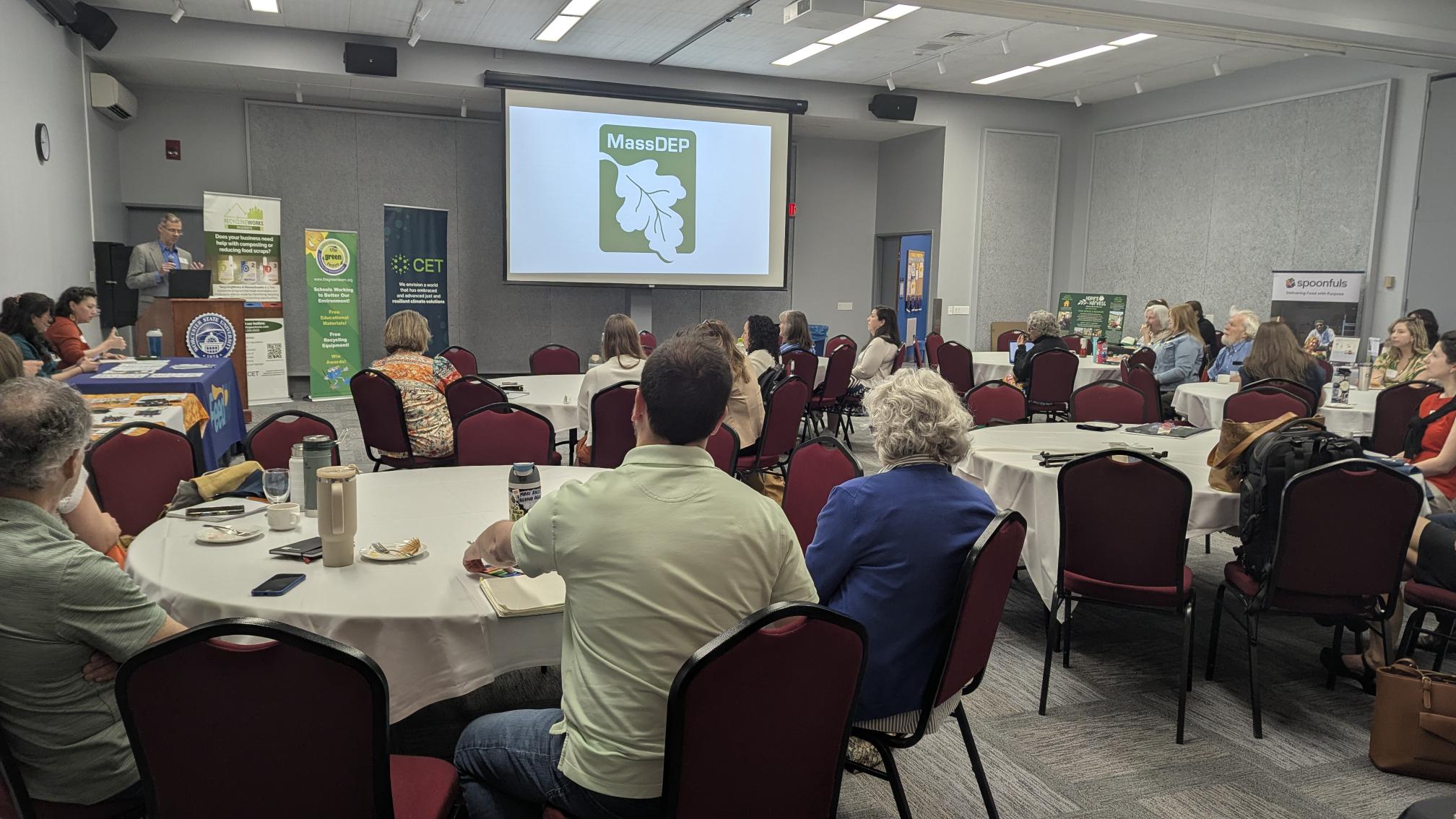
Thank you to our speakers, attendees, and tabling partners for making this year’s forum such a valuable exchange of ideas and practical solutions.
Learn about this year’s tabling organizations:
- Careit
- Careit is food donation technology connecting local nonprofits and communities with equal access to surplus resources. They strive to make it easy for businesses to donate food while providing the data and tools they need to track their impact.
- Farm Fresh RI
- Farm Fresh RI envisions a New England abundant with diverse family farms and fertile soils, with locally and honestly produced foods and flavors at the heart of every table. Their programs — Farmers Markets, Farm to School and Community Education, Bonus Bucks, Hope’s Harvest, Market Mobile, and Harvest Kitchen‘s culinary job training— increase access to local foods, reduce food waste on local farms, and share education on local ingredients.
- FeedRI
- FeedRI creates sustainable solutions to food insecurity through three distinct programs: Feed the Future, Hope on the Rhode, and Hope Market. Through a robust volunteer network, they rescue surplus food from industry partners to relieve hunger and revive communities.
- Food Link
- Food Link is working to create a more equitable food system throughout Greater Boston by rescuing and distributing high-quality, customized food to under-resourced communities and by advocating for systems change. They work seven days a week to direct high-quality food to people, not to waste.
- Spoonfuls
- Spoonfuls is the largest food recovery operation of its kind in New England. Their mission is to facilitate the recovery and distribution of healthy, fresh food that would otherwise be discarded. They deliver food to organizations and community programs that serve people facing food insecurity.
- USEFULL
- USEFULL’s integrated reuse system is designed to plug into college campus dining systems. They offer a variety of reusable plastic-free containers, prioritizing both environmental impact and human health as awareness of the risks of eating from plastic containers grows.
To view the speaker’s slides and recording of this event, as well as recordings and resources from the past 15 years of events, see our Forum Page.
Additional resources highlighted at the 2026 Spring Forum:
- RecyclingWorks Food Donation webpage
- Implementation Guide for Reusable Takeout Containers at Food Establishments in MA.