
Simmons University’s Deconstruction Project: A Timeline for Success
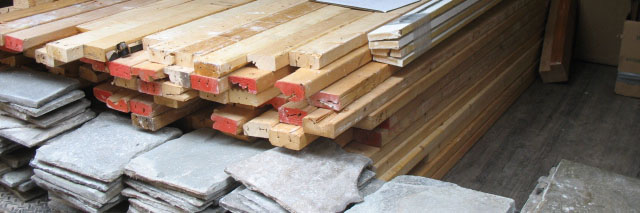
A green demolition project at Simmons University in Boston recovered over a dozen tons (24,000 pounds) of material including furniture, fixtures, and glassware items. This…
Deconstruction is the process of carefully dismantling a building or portions of a building to recover materials for reuse, donation, and recycling.
Unlike conventional demolition, which typically prioritizes speed and disposal, deconstruction seeks to preserve the value of building materials and keep them in use for as long as possible.
Whether you’re renovating a space, demolishing a building, or planning a major redevelopment project, deconstruction can help reduce waste and create new opportunities for material recovery.
Building materials contain significant environmental and economic value. Recovering those materials before demolition helps preserve resources and reduce waste.
Benefits of deconstruction include:
Recovering reusable materials can reduce the volume of material requiring disposal and may help offset project costs.
Reusing materials extends their useful life and reduces demand for new products and raw materials.
Unique or vintage materials can help meet project needs or designs that are difficult to achieve using new materials
Building materials contain embodied carbon associated with extraction, manufacturing, transportation, and installation. Reuse preserves that investment and reduces greenhouse gas emissions.
Research has shown that deconstruction can create six to eight jobs for every one job created through traditional demolition.
Recovered materials can benefit nonprofit organizations, reuse stores, affordable housing projects, artists, and community organizations.
Donating building materials can provide a tax deduction when those materials are donated to a non-profit 501 (c)3 organization.
Projects can incorporate varying levels of material recovery depending on schedules, budgets, and project goals.
Remove furniture, equipment & reusable items before construction begins.
Recover high-value and easy-to-remove materials such as:
Recover additional materials including:
Carefully dismantle a building to maximize recovery of reusable materials.
Preserve an existing structure while renovating it for a new purpose. This approach often provides the greatest material conservation benefit.
The most successful projects begin planning well before demolition starts.
Planning several months to years in advance often provides the greatest flexibility and recovery potential.

| Organization | Website | Phone |
|---|---|---|
| Boston Building Resource | www.bostonbuildingresources.com | 617-442-2262 |
| Habitat For Humanity Restore, Carver | www.hfhplymouth.org/restore | 508-866-4199 |
| Habitat For Humanity ReStore, Hanover | www.sshabitat.org | 781-337-7744 |
| Habitat for Humanity Restore, Greater Lowell | www.lowellhabitat.org/restore/ | 978-215-9975 |
| Habitat For Humanity Restore, Lawrence | www.mvrestore.org | 978-686-3323 |
| Habitat For Humanity Restore, Leominster | www.restorencm.org | 978-227-5556 |
| Habitat for Humanity Restore, South Yarmouth | www.restorecapecod.org | 508-394-6400 |
| Habitat for Humanity Restore, West Roxbury | www.habitatbostonrestore.org | 617-327-1170 |
| Habitat for Humanity Restore, Worcester/Ashland | www.habitatmwgw.org/restore | 508-799-9259 |
| Nor’East Architectural Antiques | www.noreast1.com/ | 603-394-0006 |
| ReCONNstruction Center | www.reconnstructioncenter.org/wp/ | 860-597-3390 |
A green demolition project at Simmons University in Boston recovered over a dozen tons (24,000 pounds) of material including furniture, fixtures, and glassware items. This…
Learn how Home City Development, Inc. (HCDI), a non-profit real estate developer based in Springfield, worked with RecyclingWorks to salvage materials for reuse during their…
Homeowners Rehab Incorporated (HRI) is a 501(c)3 nonprofit organization that produces and preserves affordable housing throughout Massachusetts. In 2017, HRI purchased Matheson Apartments in Downtown…
Construction projects can create a significant amount of waste, filling up dumpsters and costing money in tipping fees. However, there are a number of outlets…
In an article that appears in Green Lodging News, Dan Reuben discusses innovations in the hotel industry since he co-founded Boston Green Tourism in 2005.…
The US EPA estimates that approximately 500 million tons of demolition waste are sent to landfills each year, yet much of the ‘waste’ is reusable…
Massachusetts’ Solid Waste Master Plan prioritizes reducing waste before it is generated and keeping materials in productive use for as long as possible.
As interest in circular construction grows, deconstruction is becoming an increasingly important strategy for managing construction and demolition materials.
Contact our team for free, customized assistance.